
Addressing Root Causes of Delay: The Essential Foundation for Recovery Plans in EPC Projects
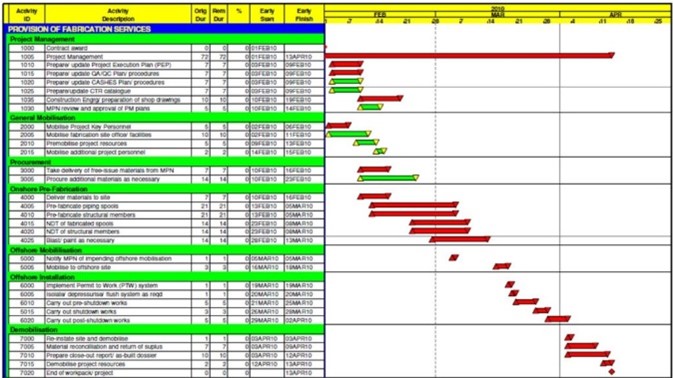
In the complex world of Engineering, Procurement, and Construction (EPC) projects, delays are almost inevitable due to the intricate interplay of technical, logistical, procedural, and contractual factors. Therefore, the knowledge and skill in addressing the root causes of delay are the essential foundation for recovery plan development and project delivery.
However, when a project experiences a setback, the natural inclination of the parties involved is to quickly propose a recovery plan, targeting immediate progress. While this approach may seem practical on the surface, it often overlooks the cornerstone of success in recovery planning: addressing the root causes of delay.
This principle emerged poignantly in one of my past projects, where a contractor sought to develop and submit a recovery plan while the dispute over the Inspection and Test Plan (ITP) – a critical element of project quality assurance – remained unresolved. I refused.
The reasoning behind this decision underscores an indispensable truth: creating a recovery plan without resolving the drivers of delay only burdens the project with cosmetic remedies that fail to cure the underlying problem.
The Importance of Identifying Root Causes
Delays in EPC projects rarely arise from isolated issues; they often stem from a tangled web of misaligned processes, unaddressed risks, and systemic inefficiencies. Without identifying and dissecting these root causes, a recovery plan becomes a reactive effort – a sprint to meet deadlines – that can compromise quality, safety, and long-term project viability.
Here’s what failing to address root causes can lead to:
1. Continuous Recurrence of Issues: If the underlying problem is not resolved, delays are likely to resurface, making the recovery plan merely a band-aid solution. In the case of disputes over ITP, failing to resolve the disagreement could spawn further delays during future inspections or testing stages.
2. Misallocation of Resources: Recovery plans often involve resource reallocation – whether financial, human, or equipment-related. Without pinpointing the true cause of delay, resources may be misdirected to where they provide little impact. For instance, accelerating construction activities would be futile if delays arise from unresolved procedural deficiencies like unclear inspection standards.
3. Stakeholder Dissatisfaction and Misalignment: Recovery plans forged in haste without stakeholder input may deepen tensions among project teams, contractors, and clients. Identifying root causes engages all parties in dialogue, fostering alignment and shared responsibility toward resolving issues and achieving recovery.
4. Erosion of Quality and Governance: In an attempt to hasten progress, recovery plans often emphasize overly ambitious productivity and aggressive timelines, inadvertently pressuring teams to cut corners. Root cause analysis ensures attention to governance, compliance, and best practices remain intact throughout recovery efforts.
Why Root Cause Analysis is Key to Recovery Planning
To ensure that a recovery plan is meaningful, actionable, and sustainable, it should rest on the foundation of a clear understanding of “why” the delay occurred. Root cause analysis enables the project team to move beyond symptomatic fixes and design solutions tailored to prevent recurrence. Let’s examine why its integration into recovery planning is non-negotiable:
1. Structured Problem Solving: Root cause analysis provides a structured approach that disentangles complex problems. Techniques such as the 5 Whys, “Ishikawa (Fishbone) Diagrams”, among others, help identify and classify issues into categories like human error, procedural mismanagement, or external events.
2. Data-Driven Decision Making: Collecting and analyzing evidence about the nature of delays – such as contractual ambiguities, ITP disputes, or inefficient workflows – facilitate informed decision-making for recovery planning.
3. Alignment with Risk Management: Root cause analysis exposes risks and areas of vulnerability in the project, ensuring that recovery plans address those risks and vulnerabilities proactively rather than reactively.
4. Promotes Stakeholder Collaboration: Engaging all parties – project team, contractors, consultants, and clients – in root cause analysis often diffuses existing tensions and builds consensus for recovery measures, unifying the project team toward shared goals.
Example: Disputes over Inspection and Test Plans (ITP)
Inspection and Test Plans (ITP) are critical to ensuring compliance, quality, and safety in construction projects. Any disputes surrounding ITP create ripple effects across stages of execution, leading to cascading project delays. In my experience, failing to resolve disputes over ITP would jeopardize the credibility of recovery plans and likely escalate risks to the project’s deadlines, budget, and quality.
For instance, a contractor that fast-tracks activities under a disputed ITP may face increased rework costs due to noncompliance or failed inspections. These disruptions exacerbate delays rather than resolving them. A recovery plan in such circumstances needs to first address the root cause – why disagreements over ITP exist – through stakeholder engagement to clarify standards, expectations, and procedures. The recovery plan should be finalized only after this root cause has been resolved.
Best Practices for Recovery Planning Rooted in Cause Analysis
Based on lessons learned from EPC projects, preparing a robust recovery plan involves several best practices including:
- Deep Dive into Problem Diagnostics: Begin by identifying and categorizing the contributing factors to delay – contractual, technical, procedural, or interpersonal. Use evidence, communication logs, and progress reports to pinpoint precise causes.
- Engage Stakeholders Early: Inclusive dialogue between project team, contractors, clients, and consultants is essential to uncover blind spots in project understanding. When disputes exist, clear and documented resolutions should precede recovery planning.
- Integrate Quality and Compliance Goals: Recovery plans should take into account quality governance and compliance standards to prevent future disruptions.
- Balance Urgency and Feasibility: While recovering lost time is important, recovery plans must be realistic and support sustainable progress without pressuring teams to sacrifice project integrity. One way to do this is to ensure recovery plans are based on historical performance trends unless it can be demonstrated why future performance would be different.
Conclusion: Recovery Plans Begin with Cause Resolution
In the fast-paced and high-stakes domain of EPC projects, delays demand more than quick fixes; they require a methodical and thoughtful investigation and resolution of root causes. Jumping into recovery planning without resolving disputes or other foundational issues, like in the example of ITP disagreements, can ultimately lead to cycles of repeated failures and escalating tensions.
Recovery and progress must be built on stable ground. As project managers, consultants, and stakeholders, our commitment should be to a disciplined approach that begins with addressing the root causes of delays and then crafting realistic recovery plans for effective project delivery.
Identifying the causes of delay is not merely an administrative exercise – it is the backbone of sustainable project recovery and the hallmark of leadership in project management. By committing to this principle, you can create recovery plans that uphold the integrity of EPC projects, ensuring not only timely delivery but also long-term operational success.
Go here for hands on support.